

Caring for elderly loved ones at home requires more than just a warm smile it’s about caregivers who possess proven skills in communication, physical support, medical knowledge, and unwavering compassion. We outline the essential qualities that distinguish reliable caregivers, from empathy and first aid expertise to sharp problem-solving abilities. Learn why trusted agencies like Able Best in Singapore stand out in matching you with the ideal caregiver for seamless home-based care.
Key Takeaways:
- Master effective communication, active listening, and empathy to build trust and provide emotional support for elderly clients in home care settings.
- Demonstrate physical strength, safety awareness, time management, and problem-solving skills for daily practical caregiving skills.
- Possess basic medical knowledge, first aid/CPR skills, ongoing professional development, and self care to ensure professional, reliable home-based elderly support.
Communication and Emotional Skills
Great communication and emotional skills are the heart of any reliable caregiver, fostering trust and comfort in home care settings through effective communication, active listening, and emotional support.
These skills build strong bonds by helping in-home caregivers respond to emotional cues and daily needs. Patience and Empathy shine in moments of frustration or confusion. Families feel secure knowing their loved ones receive compassionate care at home.
For family caregivers, tips like practicing stress management and self care reduce Eldery caregiver burden and support mental health. Set boundaries, take short breaks, and seek peer support groups. Able Best’s matching process prioritizes these traits to ensure reliable in-home care.
Communication skills paired with emotional intelligence create lasting connections. Caregivers trained in these areas handle diverse situations with grace. This focus leads to quality home care and peace of mind for families.
Effective Communication
Effective communication and communication skills are key for caregivers to clearly convey care plans and understand elderly needs, especially with bilingual caregivers bridging language gaps in diverse Singapore homes.
Daily interactions involve explaining medication schedules or doctor appointments with clarity. Interpersonal skills help resolve misunderstandings quickly. For instance, a caregiver might use simple words to describe a new routine, ensuring the senior feels involved.
Able Best ensures this skill in matches by screening for clear speaking and listening abilities. Bilingual caregivers prove vital in multicultural settings, preventing errors in care instructions. Families benefit from smooth updates on their loved one’s progress.
Strong effective communication fosters trust and cooperation. Caregivers who adapt their style to the senior’s preferences build confidence. This approach supports overall home care success.
Active Listening and Emotional Support
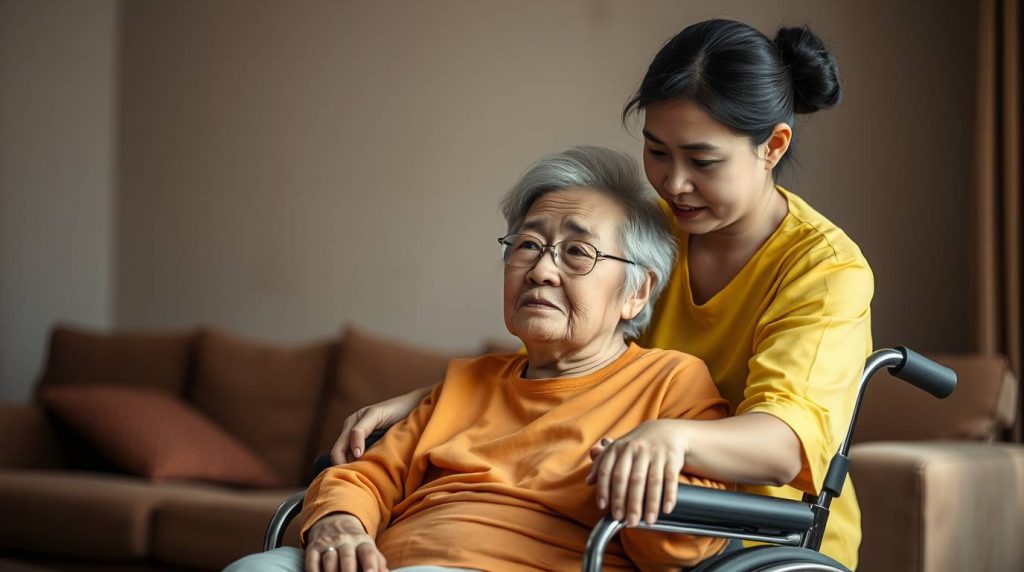
Active listening paired with emotional support helps caregiver truly connect, offering reassurance during vulnerable moments in in-home care.
In real-life scenarios, a senior sharing memories of the past requires full attention. Active listening means nodding, maintaining eye contact, and responding thoughtfully. This shows the person feels valued and heard, demonstrating true compassion.
Compassion drives emotional support, like comforting someone anxious about a doctor’s visit. Such actions reduce stress for family caregivers by easing their emotional load. Practice self-care routines to sustain this energy.
Linking to family needs, these skills lower caregiver burden. Encourage open family discussions for shared support. Able Best matches caregivers skilled in these areas for compassionate in-home care.
Building Patience and Empathy
Building patience and empathy allows caregivers to handle challenging behaviors with grace, essential for long-term home health success.
In dementia situations, a senior might repeat questions or resist help. Caregivers respond calmly, validating feelings instead of rushing. This “It’s okay, we’ll figure it out together” approach de-escalates tension.
Able Best’s training emphasizes building patience through role-playing exercises. Empathy grows by understanding the senior’s perspective, even in frustration. These tools prepare caregivers for real-world demands.
Patience prevents burnout and supports mental health for all involved. Families see reduced conflicts and smoother routines. This foundation ensures reliable, empathetic home care over time.
Practical and Physical Caregiving Skills
Practical and physical caregiver skills ensure safe, efficient home care, from physical strength for transfers to time management for seamless daily schedules. These hands-on abilities allow in-home caregivers to handle daily tasks with confidence. Families in Singapore rely on providers like Able Best for selecting caregivers with these essential traits.
Physical fitness supports lifting and moving elderly loved ones safely. Caregivers must maintain stamina for long shifts while prioritizing fall prevention and physical support. Able Best focuses on rigorous training to match these skills with family needs.
Organization keeps medication management and doctor appointments on track. Problem-solving skills and adaptability help adapt to sudden changes in routines. This combination delivers quality home care that families trust.
From assisting with bathing to preparing meals, these skills build reliability. Able Best’s selection process ensures caregivers bring attention to detail and compassion to every task. Singapore families benefit from this careful approach to in-home support.
Physical Strength and Safety Awareness
Physical strength and safety awareness prevent injuries through techniques like safe transfer techniques and fall prevention in everyday in-home care routines. Caregivers use proper body mechanics to support elderly mobility needs. This focus reduces risks during transfers from bed to chair.
Maintaining physical fitness allows caregivers to lift without strain. They clear floors of clutter and install grab bars for stability. These steps promote independence while ensuring safety.
Training in first aid and CPR prepares caregivers for emergency response. Regular checks on balance help spot issues early. Able Best equips its team with these vital practices for Singapore homes.
Encouraging exercises like chair yoga builds strength in seniors. Caregivers demonstrate safe transfer techniques patiently. This hands-on approach fosters secure, active daily living.
Time Management and Organization
Time management and organization keep daily schedules on track, ensuring medication management and appointments are handled flawlessly with attention to detail. Caregivers juggle meals, hygiene, and rest periods smoothly. This structure brings peace to busy families.
Attention to detail means double-checking pill dosages and timings. Color-coded charts simplify tracking for everyone involved. Able Best trains staff in these habits for reliable service.
Prioritizing tasks prevents oversights in home care. Caregivers coordinate with family members for seamless handoffs. Flexibility adjusts plans when needs shift unexpectedly.
Using simple timers aids in pacing activities. This keeps energy levels steady and reduces stress. Singapore families appreciate Able Best’s emphasis on punctual, organized caregiving.
Problem-Solving Skills
Problem-Solving Skills and flexibility shine when unexpected issues arise, keeping home care smooth and stress-free. Caregivers assess situations quickly during emergencies. This calm response maintains safety and comfort.
For a sudden fever, they check vital signs and contact doctors promptly. Adaptability means switching to backup plans for canceled transport. These skills handle dementia-related confusion effectively.
Emergency preparedness includes knowing local resources in Singapore. Caregivers practice scenarios to build confidence in emergency response. Able Best prioritizes this training for dependable support.
Encountering a power outage, they use flashlights and manual methods for care. Listening to seniors’ cues guides solutions. This proactive mindset ensures continuous quality home care.
Specialized Skills and Professional Development
Specialized skills like first aid, CPR, and dementia care, combined with ongoing professional development through SkillsFuture and Agency for Integrated Care (AIC), set top caregivers apart.
These caregivers excel in home care by mastering medication management and vital signs monitoring. Able Best supports them with thorough documentation training and safe transfer techniques. This ensures smooth in-home care for elderly clients.
Programs from Singapore Red Cross Academy build core competency modules in emergency response and dementia support. Caregivers learn to adapt daily schedules around doctor appointments and medication schedules. Such training promotes quality home care and workforce stability.
Able Best emphasizes blended staffing models with bilingual caregivers for better communication skills. Ongoing education resources help prevent burnout through self care practices. This approach delivers reliable physical support and emotional support in home settings, contributing to workforce stability.
Medical Knowledge and Intervention Techniques
Basic medical knowledge covers vital signs monitoring and medication management, crucial for medically fragile elderly in home care settings. Additional training in dementia and basic nursing skills enhances quality home care.
Caregivers check blood pressure, heart rate, and temperature daily to spot issues early. They follow care plans precisely for medication schedules, avoiding errors. Able Best trains on basic medical knowledge, Certified Nursing Assistants skills, and safe transfer techniques during these tasks.
In intervention techniques like caregiver-mediated intervention, they use Problem-Solving Skills for sudden changes like dizziness. Proper documentation records every detail for doctor appointments. This attention to detail supports fall prevention and emergency preparedness.
Practical strategies include organizing pills in labeled boxes and setting reminders. Caregivers with basic nursing skills handle minor wounds or mobility aids. These steps ensure safe, effective in-home caregivers for long-term care.
Training and Continuous Learning
Training via core competency modules from SkillsFuture and Singapore Red Cross Academy ensures Bilingual Caregivers stay updated.
These programs cover dementia care, CPR, and vital signs training. Agency for Integrated Care (AIC) offers workshops on care plans and time management. Caregivers gain Flexibility to handle diverse needs like neurodevelopmental disorders and intellectual disability.
Able Best promotes professional development with education resources on safe transfer techniques. Staff learn about PACE Programs, pace staffing, and Blended Staffing Models for better support. This continuous learning builds adaptability and physical fitness.
Regular sessions focus on caregiver-mediated intervention and stress management. Bilingual caregivers benefit from communication skills modules. Such efforts maintain high standards in home health and prevent caregiver burden.
First Aid and CPR Knowledge
First aid and CPR knowledge equips caregivers for emergency response, potentially saving lives at Home Care.
In scenarios like choking or falls, caregivers apply quick techniques to stabilize seniors. They use bandages for cuts and splints for sprains during home care routines. Training from Singapore Red Cross Academy sharpens these specialized skills.
Able Best reinforces CPR drills and documentation for incidents using ai technology. Caregivers practice on mannequins to build confidence in real emergencies. This prepares them for heart attacks or breathing issues without delay.
Emergency preparedness includes calling services while providing aid. Combining first aid with vital signs checks prevents escalation. Reliable in-home caregivers turn crises into managed situations through this expertise.
Self-Care and Mental Health
Self-care and mental health practices help caregivers manage stress and prevent burnout in demanding roles like respite support.
Caregivers schedule breaks, exercise, and hobbies to recharge. Techniques like deep breathing reduce anxiety after long shifts. Able Best offers resources on work-life balance for sustained performance.
Building patience through mindfulness supports empathy with challenging clients. They seek peer support groups to share experiences on dementia or intellectual disability care. This fosters emotional support and interpersonal skills.
Practical tips include setting boundaries in daily schedules and tracking rest. Mental health check-ins catch early signs of fatigue. Healthy caregivers deliver consistent physical support and compassion in home-based support.
Essential Qualities of a Reliable Caregiver
Essential qualities like compassion, flexibility, and Attention to Detail make caregivers truly reliable for quality Home Health.
These traits ensure in-home caregivers meet diverse needs, from daily schedules to emergency response. Able Best’s vetting process screens for dependability and empathy, prioritizing those with proven caregiver skills.
Patience and effective communication further define reliability, helping manage medication schedules and doctor appointments smoothly. Families trust caregivers who show active listening and problem-solving skills.
Able Best emphasizes professional development, including core competency modules on first aid and CPR. This approach supports workforce stability and prevents burnout through practical strategies like self-care.
Compassion and Empathy
Compassion and empathy drive caregivers to provide heartfelt support beyond tasks.
These qualities shine when offering emotional support to seniors facing dementia or isolation. A caregiver might sit with Patience, sharing stories to ease anxiety during medication management.
Interpersonal skills foster trust, vital for home care. Able Best vets for empathy through interviews, ensuring caregivers connect deeply with clients.
Experts recommend building Empathy via active listening, which reduces caregiver burden and improves mental health for all involved.
Dependability and Trustworthiness
Dependability and trustworthiness build lasting family confidence in home caregivers.
Reliable caregivers arrive on time for daily schedules and handle fall prevention without fail. One story involves a caregiver who noticed a subtle trip hazard and fixed it promptly, preventing injury in Dynamic Safety protocols.
Able Best’s process verifies backgrounds for trustworthiness, focusing on time management and consistent performance. This ensures seamless in-home care.
Effective communication reinforces dependability, like updating families on care plans. Such traits support long-term arrangements with peace of mind.
Observation and Attention to Detail
Observation and attention to detail catch subtle health changes early.
Caregivers spot variations in vital signs or mood shifts, crucial for conditions like neurodevelopmental disorders, developmental disabilities, and developmental delay. For instance, noting a senior’s slight confusion prompts timely dementia checks.
Able Best trains for this through basic medical knowledge and emergency preparedness. Observation skills enhance safe transfer techniques and overall safety.
Practical strategies include regular checks during physical support tasks. This vigilance supports quality home care and quick emergency response.
Positive Attitude and Flexibility
A positive attitude and flexibility adapt to evolving elderly needs smoothly.
Caregivers with these traits handle unexpected changes, like shifting care plans for developmental disabilities or medically fragile children. They maintain cheer during long days, boosting morale.
Able Best seeks adaptability in hiring, valuing bilingual caregivers for diverse families. Flexibility aids in stress management and prevents burnout.
Examples include adjusting to new medication schedules or incorporating self-care routines. A positive outlook paired with physical fitness ensures sustained caregiver skills.
Finding Reliable Elderly Caregivers in Singapore
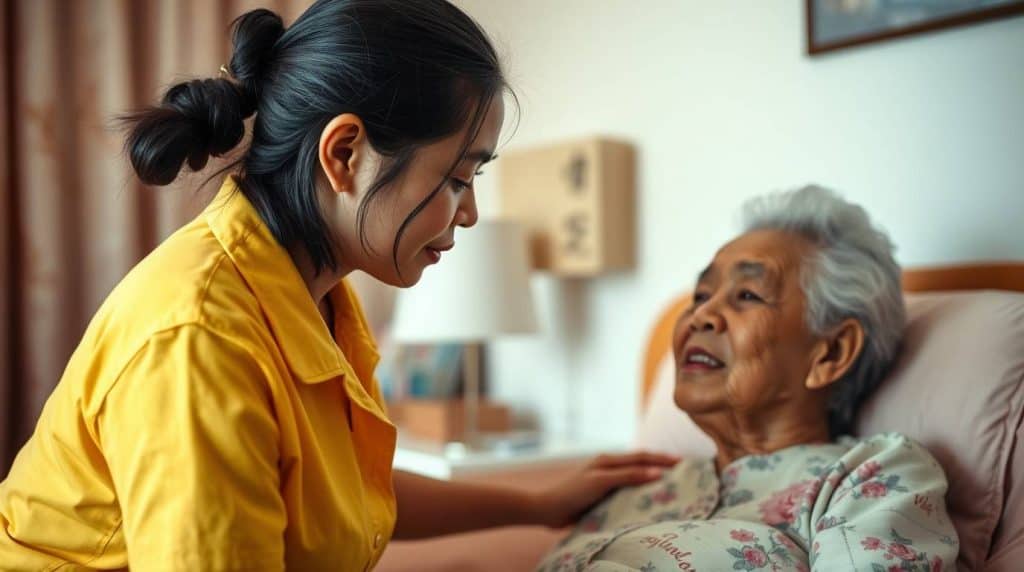
Finding reliable elderly caregivers in Singapore is easier with trusted agencies offering bilingual caregivers and support via Agency for Integrated Care (AIC) and SkillsFuture.
Agencies like Able Best provide access to caregivers skilled in home care and In-Home Caregivers. They match caregivers with families based on needs like dementia support or medication management, including tracheostomy management.
Blended staffing models combine permanent positions with flexible options for workforce stability. This approach ensures consistent quality home care while helping to prevent burnout.
PACE programs offer structured support through PACE home care and transforming PACE. Able Best integrates Dynamic Safety features, including fall prevention and emergency response, for safer outcomes.
Experts recommend agencies for their education resources and training in core competency modules. Families gain peace of mind with professional development focused on caregiver skills like first aid and CPR.
Why Choose a Trusted Agency for Matching
Choosing a trusted agency like Able Best ensures perfect matches with blended staffing models and PACE programs for stable, safe home care.
Able Best excels in sourcing in-home caregivers with patience, empathy, and effective communication, including pediatric-specific training. They handle all documentation and transfers, ensuring smooth transitions for daily schedules and doctor appointments, plus programs like Arizona Family LHA Program, Colorado Family CNA Program, Colorado IHSS, New Hampshire Family LNA Program, Pennsylvania Family HHA Program, Indiana Family HHA Program, and Florida Family AMFC.
Dynamic Safety protocols include safe transfer techniques and emergency preparedness. This supports workforce stability through PACE staffing and options like per diem or locums staffing.
Services cover skilled nursing, time management, and problem-solving skills for needs like medication schedules. Able Best promotes self care and stress management to reduce caregiver burden, with options like refer friend and corporate careers.
Clients contact Able Best for tailored staffing strategies and practical strategies in home health, including permanent positions, per diem, locums staffing, travel nurse, allied health, and local staffing.
In-Home Caregivers provide essential Home Care for elderly support.
Frequently Asked Questions
What Skills Define a Reliable Elderly Caregiver for Home-Based Support?
A reliable elderly caregiver for home-based support is defined by skills such as Empathy, Patience, Problem-Solving Skills, Flexibility, and strong communication to build trust with seniors. Essential abilities include basic medical knowledge (e.g., CPR, medication management, first aid), mobility assistance, meal preparation tailored to dietary needs, and light housekeeping with Attention to Detail. At Able Best, we ensure our caregivers possess these skills through rigorous screening and training, matching them perfectly to your home-based elderly care needs in Singapore.
Why is compassion a key skill for a reliable elderly caregiver in home-based support?
Empathy allows caregivers to empathize with the emotional and physical challenges seniors face, fostering a supportive environment at home. This skill helps in providing personalized care, reducing loneliness, and enhancing quality of life. Able Best prioritizes Bilingual Caregivers with proven compassion, verified through references and interviews, for seamless home-based support.
What medical skills are essential for an elderly caregiver providing home-based support?
Key medical skills for Certified Nursing Assistants and Home Health Aides include monitoring vital signs, administering medications accurately, recognizing signs of distress (e.g., falls or infections), and performing basic wound care. Reliable caregivers trained in these areas ensure safety without needing hospital transfers. Able Best’s caregivers undergo health-related training from Agency for Integrated Care (AIC) and Singapore Red Cross Academy, plus SkillsFuture certification to define reliability in home-based elderly support.
How does communication define a reliable elderly caregiver for home-based support?
Effective communication involves clear, gentle interactions, active listening with Attention to Detail, and reporting updates to family members. It bridges generational gaps and ensures care plans are followed. Able Best matches Bilingual Caregivers with strong English or dialect proficiency, making them ideal for Singaporean homes requiring dependable home-based support.
What daily living skills make an elderly caregiver reliable for home-based support?
Skills like providing personal care services, assisting with bathing, dressing, grooming, and safe transfers, plus cooking nutritious meals and managing household chores with Dynamic Safety, are crucial. These enable independent living at home. Through Able Best’s sourcing expertise, we provide In-Home Caregivers skilled in these areas, along with documentation assistance for hassle-free hiring in Singapore.
How does Able Best ensure caregivers have the skills for reliable home-based elderly support?
Able Best defines reliability by vetting caregivers for experience, certifications (e.g., SkillsFuture caregiving courses), and cultural fit, then offering matching services, training, and transfer support. This guarantees caregivers with all essential skills for home-based elderly care, helping families in Singapore find trusted domestic helpers effortlessly.